
"hot spring water processing"
500 article(s) found
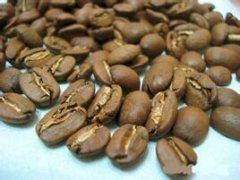
Central American specialty boutique El Salvador coffee beans
El Salvador Coffee El Salvador is one of the small countries in Central America, where coffee is light, aromatic, pure, slightly acidic, and the flavor characteristics are excellent. It has sour, bitter and sweet taste characteristics, and the best baking degree is moderate and deep. Coffee Origin In the early 1990s, guerrilla warfare greatly destroyed the country's national economy, making coffee

High quality El Salvador Himalayan Fine Coffee beans Grinding degree treatment method simple
The government finally realized the great role of coffee in the national economy, such as solving employment, earning foreign exchange and developing agricultural production, so it privatized some coffee export industries in 1990, hoping to increase the income rate of coffee in the export market. Today, this coffee accounts for 40% of the country's exports. The best quality coffee is exported from January to March, and 35% of the extra hard beans are exported.
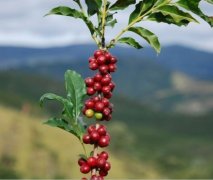
Introduction to the varieties of El Salvador coffee boutique coffee beans
El Salvador (ElSalvador) is one of the small countries in Central America, where coffee is light, fragrant, pure, slightly sour and characterized by excellent balance of flavor. It is a specialty of Central America. With sour, bitter, sweet and other taste characteristics, the best baking degree is moderate, deep. The origin of coffee in the early 1990s, guerrilla warfare greatly damaged the country's national economy and increased coffee production from 70 years.
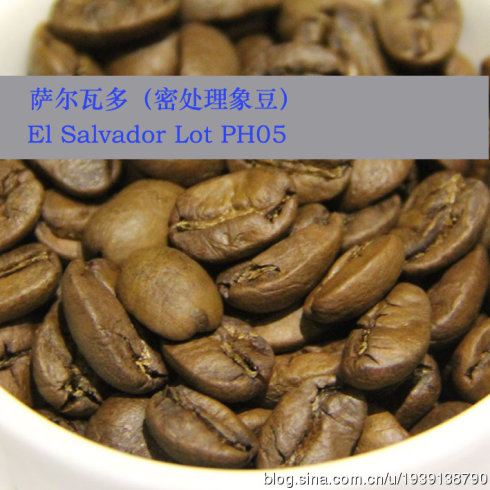
Analysis of Coffee Beans: Introduction to Flavor Analysis and Roast Degree Analysis of Salvadoran Coffee Beans
El Salvador Coffee El Salvador is one of the small countries in Central America, where coffee is light, aromatic, pure, slightly acidic, and the flavor characteristics are excellent. It has sour, bitter and sweet taste characteristics, and the best baking degree is moderate and deep. In the early 1990s, guerrilla warfare greatly destroyed the country.

Introduction to the production process of El Salvador Himalayan Coffee
El Salvador Himalaya is one of the small countries in Central America with a very dense population. People here love coffee. El Salvador Himalayan coffee tastes well balanced. Salvadoran coffee exports account for 40% of the country's exports. The best quality coffee is exported from January to March each year, and 35% of the extra hard beans are exported to Germany. In the early 1990s, El Salvador was composed of

El Salvador Coffee A brief introduction to Coffee in Santa Teresa Coffee Manor
Following Kaiping (official Wechat account vdailycom) found that the Beautiful Cafe opened a small shop of its own in the early 1990s, and guerrilla warfare greatly damaged the country's national economy, reducing coffee production from 3.5 million bags in the early 1970s to 2.5 million bags in 1990-1991. The eastern part of the country was most affected by guerrilla warfare, and many farmers and workers were forced to leave the manor. The shortage of funds resulted in

The cultivation of El Salvador Pacamara boutique coffee beans with fruity and rich aromas.
El Salvador's unique high-grade variety Pacamara, Pacamara is a sudden variation of the bourbon species found by Pacas Pacas- in El Salvador and a hybrid with the giant bean Maragogype, a sudden variant of the Tibica species found in Brazil. The interesting thing about Christmas farm coffee is that its refining method is secret, using minerals.
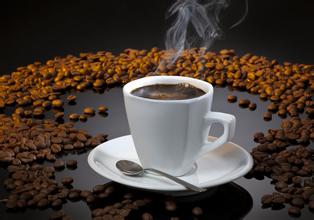
Prospect of Salvadoran Coffee & #160; Rose Summer
Salvadoran coffee ranks side by side with Mexico and Guatemala as the producers of Asa and Merdo, and is fighting for the top one or two places in China and the United States with other countries. The highlands of origin are large coffee beans of all sizes, which are fragrant and mild in taste. Like Guatemala and Costa Rica, coffee in El Salvador is graded according to altitude, and the higher the altitude, the better the coffee

El Salvador Coffee Flavor characteristics of El Salvador Coffee beans in Mercedes Manor
Salvadoran coffee ranks side by side with Mexico and Guatemala as the producers of Asa and Merdo, and is fighting for the top one or two places in China and the United States with other countries. The highlands of origin are large coffee beans of all sizes, which are fragrant and mild in taste. Like Guatemala and Costa Rica, coffee in El Salvador is graded according to altitude, and the higher the altitude, the better the coffee

Introduction to the characteristics of the fragrant and pure El Salvador boutique coffee bean flavor and taste manor
Salvador means savior in Spanish, named after Columbus's experience in discovering the American continent. The national flag of El Salvador was launched in 1822, was rescinded in 1865, was restored in 1912, and was officially established as the national flag in the 1972 Constitution. The national flag is rectangular, with a ratio of length to width of 335 to 189. A horizontal rectangle consisting of blue, white and blue parallel to each other from top to bottom.

The sour and sweet fruits of El Salvador Pacamara boutique coffee beans are cultivated in geographical location.
El Salvador's unique high-grade variety Pacamara, Pacamara is a sudden variation of the bourbon species found by Pacas Pacas- in El Salvador and a hybrid with the giant bean Maragogype, a sudden variant of the Tibica species found in Brazil. Pacamara is the artificial breeding variety of Pacas and Maragogipe. 1958 by Salva
Sour, lively and tricky El Salvador Pacamara boutique coffee bean cultivation situation, geographical location and climate
Won two ○○ seven Guatemala and Honduras [COE] double championships, but also arranged to host the top three awards in El Salvador. The name of Pacamara is very good. It is a compound word of Pacas [Pacas] and elephant bean [Maragogepe]. Pacamara is an excellent variety produced by the Salvadoran Coffee Research Institute from 1957 to 1958. It did not shine until recent years and became a boutique.

Sour and sweet fruit description of El Salvador Pacamara boutique coffee bean flavor and taste
Finca Ataisi Manor is located in the volcanic producing area of Izalco (Izakou) region, Sonsonate Province, El Salvador. Due to volcanoes, the soil of the manor is very rich in organic matter. The average elevation of the manor is about 1800 meters and the terrain is steep. It is one of the highest estates in the area. At present, the owner of the manor is managed by Mr. Rene Martin, the owner of the manor, and Rene Martin first.

Sour and sweet El Salvador Pacamara boutique coffee beans grind and roast degree treatment
Pacamara is another example of making a name for itself through COE events. In the 90s of the 20th century, some farmers in the Chalatenango producing area of South Song in Charat, El Salvador began to grow Pracamara. In 2006, a farm in this producing area took part in the competition with Pacamara and got the second place. In 2007, a number of farms in the same production area participated in the competition with Pacamara, and won the first, third and fourth Pac.

A brief introduction to the market price of El Salvador Pacamara boutique coffee beans with balanced taste
Pacamara is the artificial breeding variety of Pacas and Maragogipe. It was first cultivated by researchers in El Salvador in 1958. Pacamara is an excellent variety under rare artificial breeding, which is better than blue, and perfectly inherits the advantages of the mother plant. It not only has the excellent taste of Pacas, but also inherits the large size of Maragogipe, and the bean body is at least like beans.

The planting market price of El Salvador Pacamara boutique coffee beans with fruity and rich aroma is simple.
Pacamara is the artificial breeding variety of Pacas and Maragogipe. It was first cultivated by researchers in El Salvador in 1958. Pacamara is an excellent variety under rare artificial breeding, which is better than blue, and perfectly inherits the advantages of the mother plant. It not only has the excellent taste of Pacas, but also inherits the large size of Maragogipe, and the bean body is at least like beans.

The origin, development, history and culture of El Salvador Pacamara boutique coffee beans with fruity and rich aromas
Pacamara is the artificial breeding variety of Pacas and Maragogipe. It was first cultivated by researchers in El Salvador in 1958. Pacamara is an excellent variety under rare artificial breeding, which is better than blue, and perfectly inherits the advantages of the mother plant. It not only has the excellent taste of Pacas, but also inherits the large size of Maragogipe, and the bean body is at least like beans.

Sour, lively and tricky El Salvador Pacamara boutique coffee beans grind degree of roasting degree treatment
Pacamara is another example of making a name for itself through COE events. In the 90s of the 20th century, some farmers in the Chalatenango producing area of South Song in Charat, El Salvador began to grow Pracamara. In 2006, a farm in this producing area took part in the competition with Pacamara and got the second place. In 2007, a number of farms in the same production area participated in the competition with Pacamara, and won the first, third and fourth Pac.
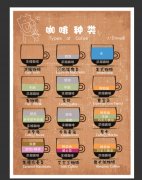
A brief introduction to the description of the flavor and aroma characteristics of El Salvador Pacamara boutique coffee beans
The biggest feature of this variety is that it is sour, lively and tricky, sometimes biscuit, sometimes fruity, thick and greasy. The best quality Finca Ataisi manor from El Salvador and Guatemala is located in the volcano-producing area of Izalco (Izakou), Sonsonate province, El Salvador. Due to volcanoes, the soil of the manor is very rich in organic matter, and the manor is at an altitude.
A brief introduction to the market price of El Salvador Pacamara boutique coffee beans with lively and tricky sour taste
Pacamara is the artificial breeding variety of Pacas and Maragogipe. It was first cultivated by researchers in El Salvador in 1958. Pacamara is an excellent variety under rare artificial breeding, which is better than blue, and perfectly inherits the advantages of the mother plant. It not only has the excellent taste of Pacas, but also inherits the large size of Maragogipe, and the bean body is at least like beans.